Humanitarian Governance
& Strategic Transformation
Humanitarian action must evolve beyond emergency delivery toward systems capable of sustaining resilience, dignity, accountability, operational coordination, governance visibility, institutional stability, and measurable long-term impact.
Connecting response,
resilience, and governance.
A vision that connects humanitarian response with governance systems, institutional resilience, operational intelligence, and sustainable transformation across fragile and conflict-affected environments.
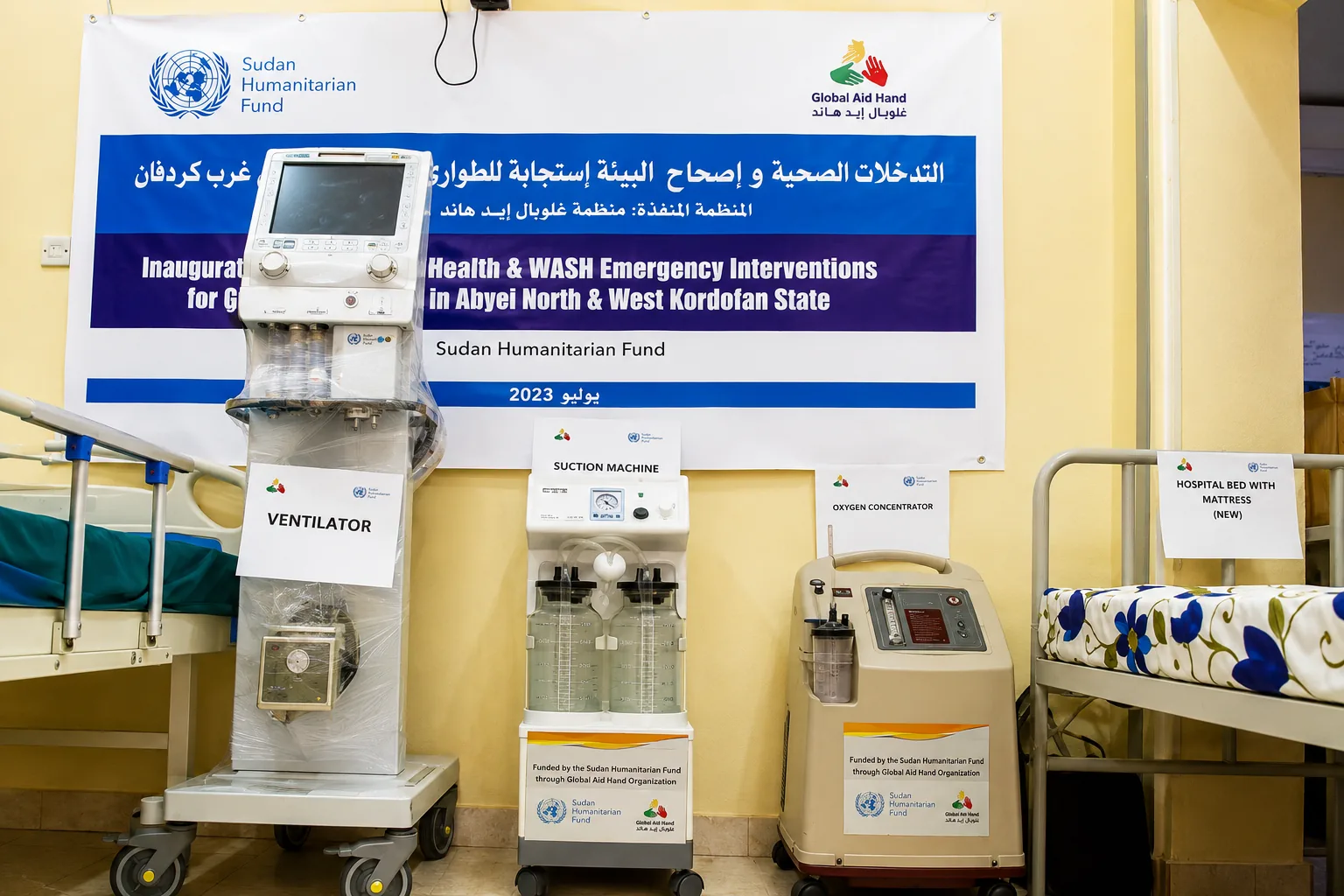
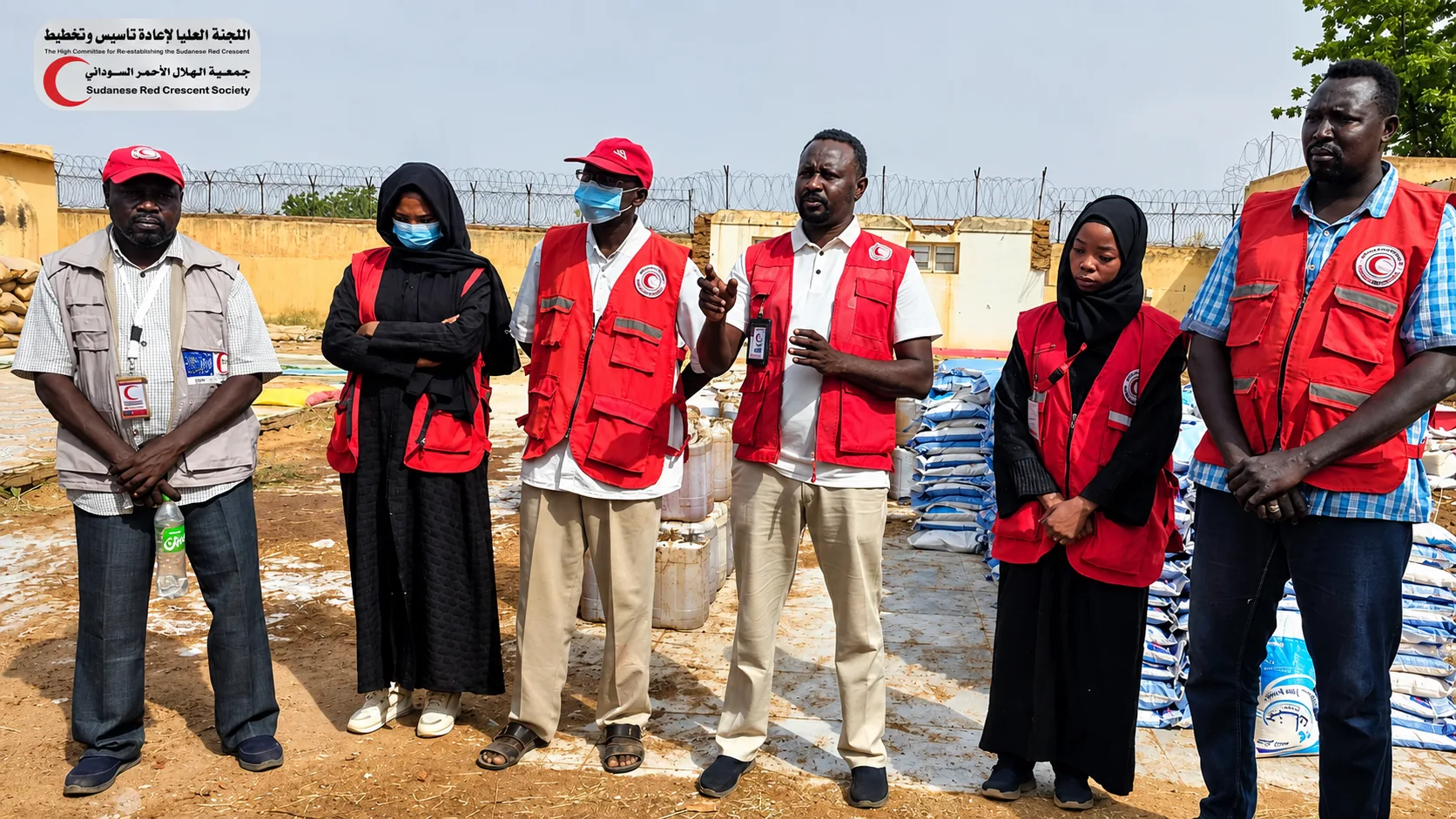
Humanitarian Response & Execution Realities
“Operational humanitarian response must move beyond reactive delivery toward accountable systems capable of functioning under complexity, displacement, uncertainty, and fragile realities.”
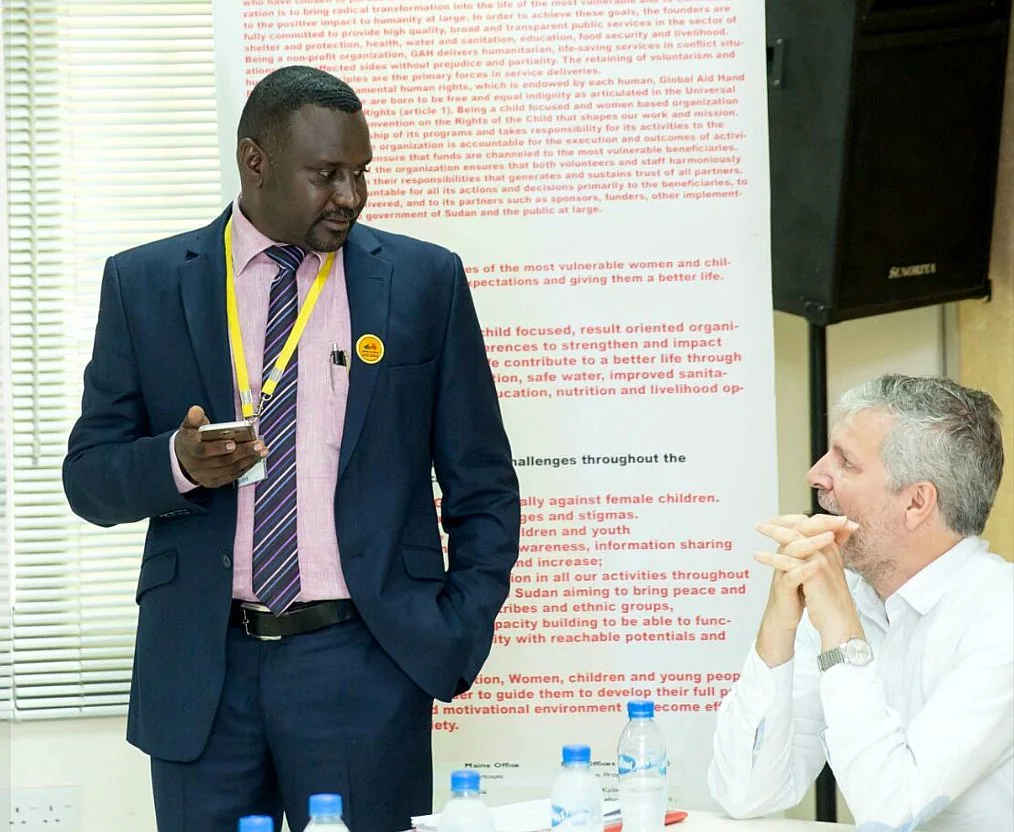
Building Strategic Partnerships Across Global & Fragile Contexts
Engaging with international institutions, humanitarian actors, development stakeholders, and strategic partners to strengthen collaboration, operational resilience, institutional transformation, governance integration, sustainable impact, and execution accountability across complex operational environments and fragile realities.
Women, Resilience & Community Transformation
“Long-term humanitarian transformation depends on strengthening adaptive community systems, women-led resilience initiatives, sustainable recovery capacities, and locally rooted economic empowerment.”
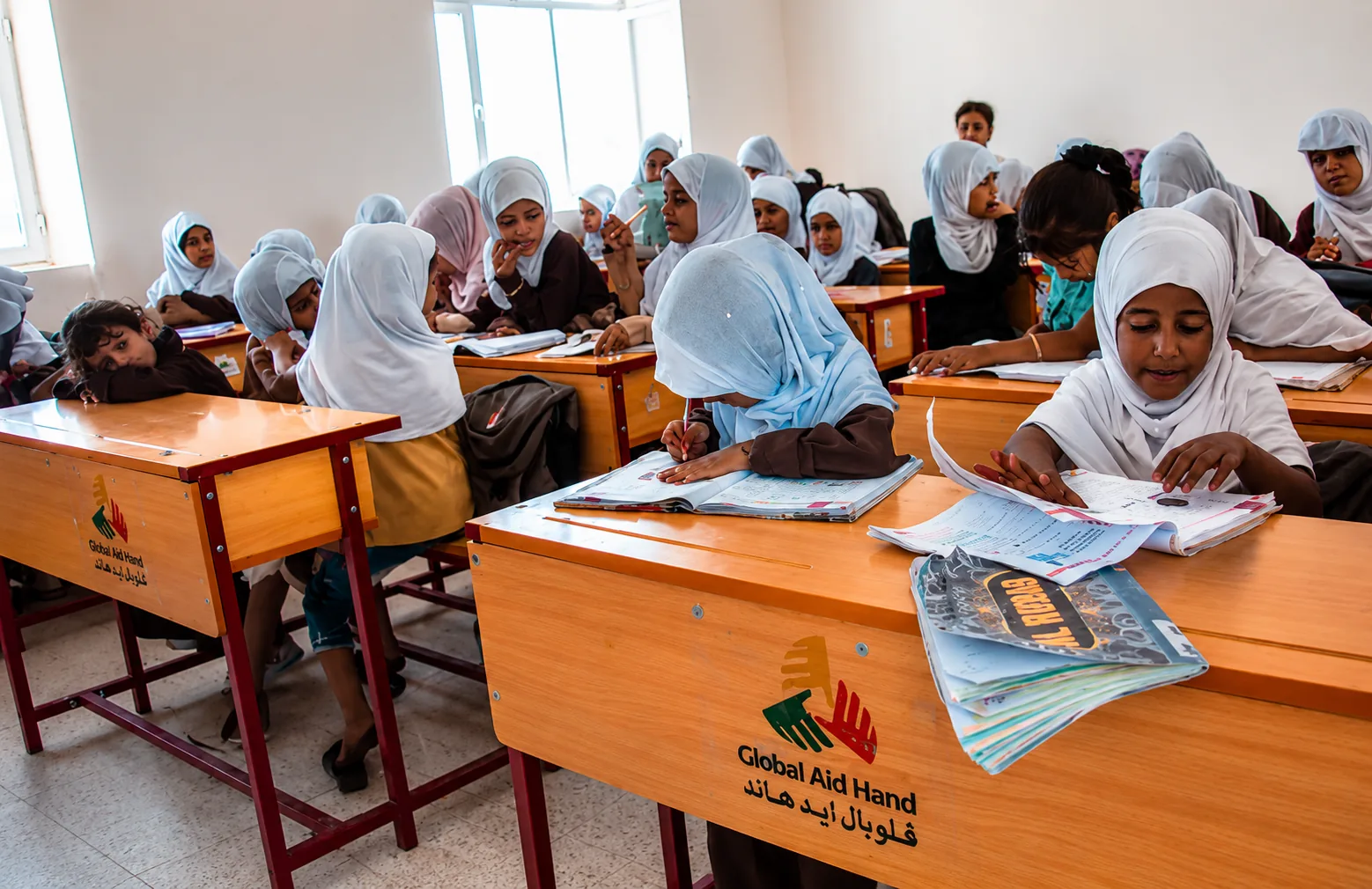
Protecting the future
begins with education.
In regions shaped by conflict, poverty, and systemic exclusion, education remains one of the most powerful instruments for preserving human dignity, reducing violence, and breaking cycles of instability.
“We believe that empowering girls through education is not a social intervention alone — it is a long-term investment in peace, resilience, and the protection of future generations.”
Educated girls become informed mothers, stronger communities, and the foundation of societies capable of resisting ignorance, extremism, and manufactured wars.
“Sustainable peace is built in classrooms long before it is negotiated in political agreements.”
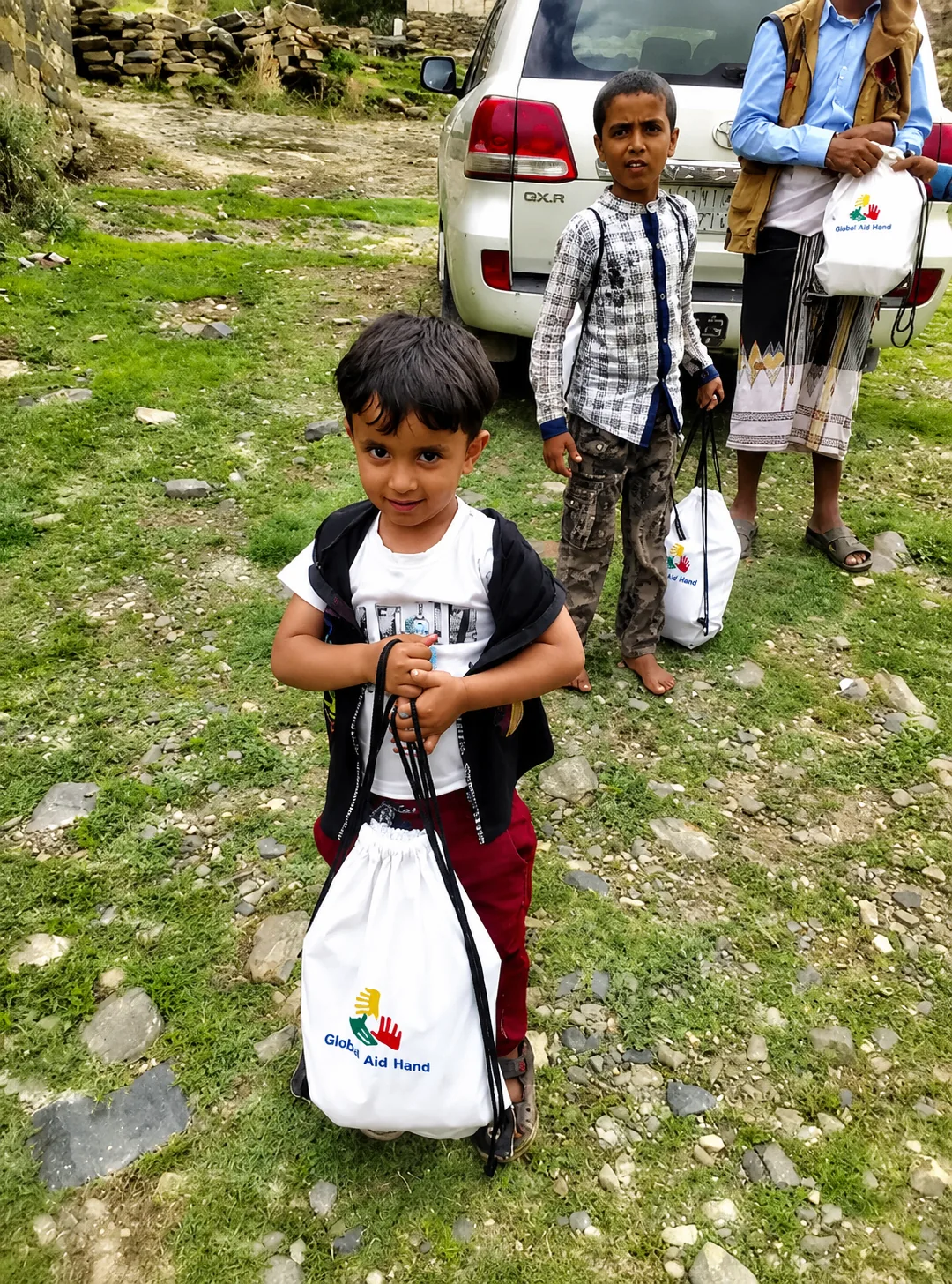
“In the midst of conflict, displacement, and uncertainty, dignity still matters. This moment from Yemen reflects what humanitarian work truly means — reaching people before statistics erase their names, and protecting hope before despair becomes permanent.”
Humanitarian action has never been about delivering aid alone. It is about restoring human dignity, strengthening resilience, and ensuring that even in the hardest places on earth, children can still carry a future in their hands.
Institutional collaboration
across global platforms.
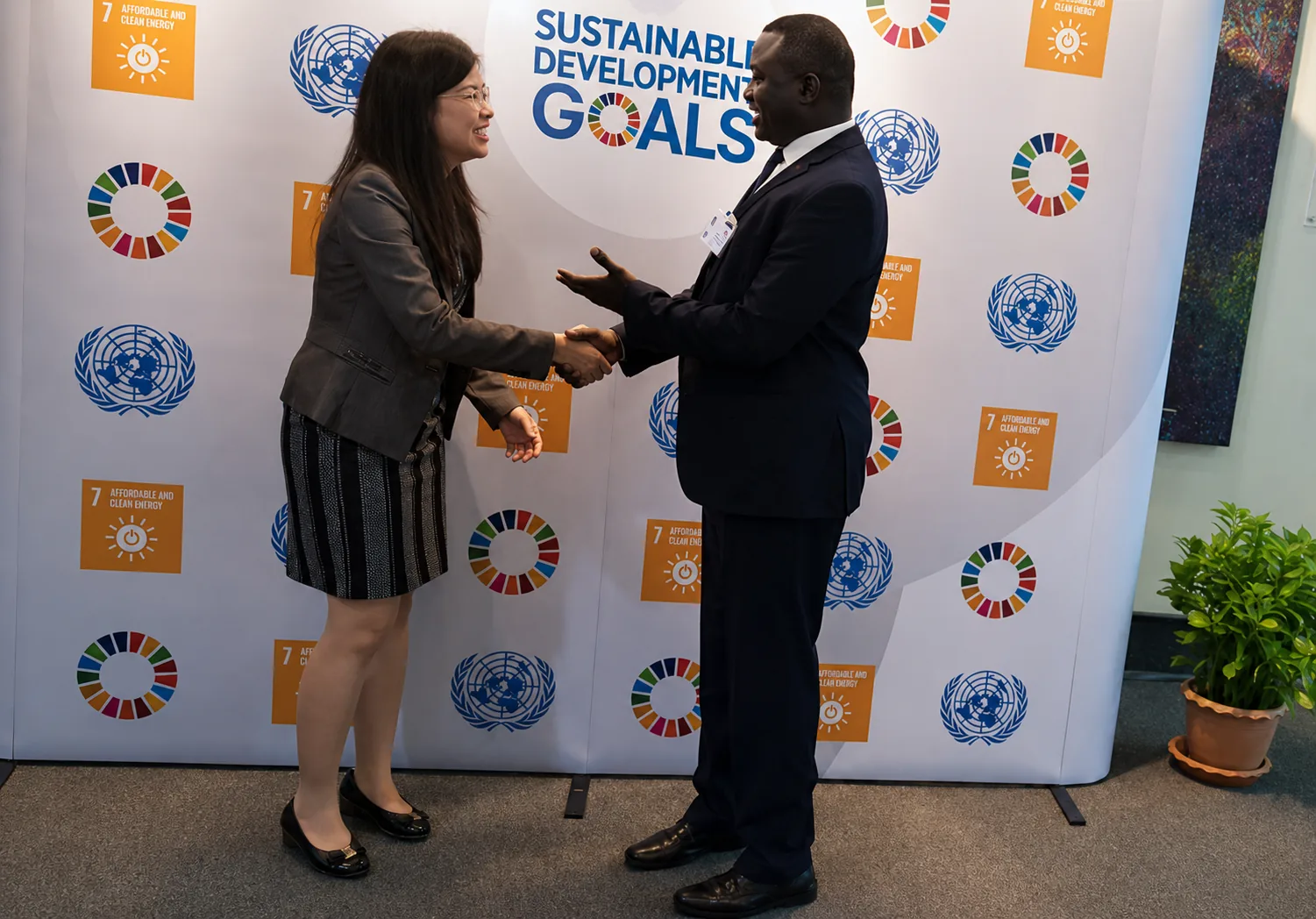
“International engagement, institutional collaboration, and operational legitimacy remain essential for strengthening humanitarian coordination, governance visibility, and sustainable impact across fragile and complex environments.”
“Humanitarian systems cannot sustain impact without governance.
Governance systems cannot sustain legitimacy without human dignity.”
Strategic humanitarian transformation requires institutions capable of connecting response, resilience, accountability, and operational reality.

“From conviction to controlled execution.”